The Products section of our company serves as a comprehensive resource for exploring our product lineup. In this section, you can review all of our products and become familiar with their technical specifications, features, and capabilities.
In the near future, the company will move toward producing UV-cured resins and water-based resins as part of its product development efforts.
About resin
Resins, which are a subset of polymers, are a general term referring to any sticky material that can transition from a liquid state to a solid state.
Resins are classified into various types based on the chemistry of their constituent materials, such as alkyd, acrylic, chlorinated rubber, epoxy, and others.
Resins that contain acrylic and methacrylic acid esters in their structure are referred to as acrylic resins.
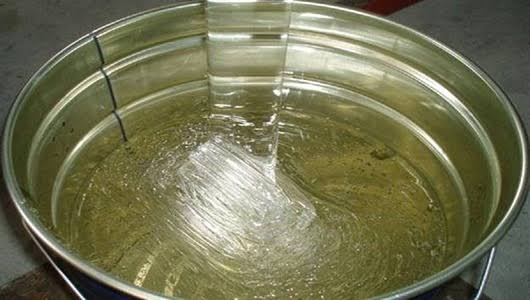
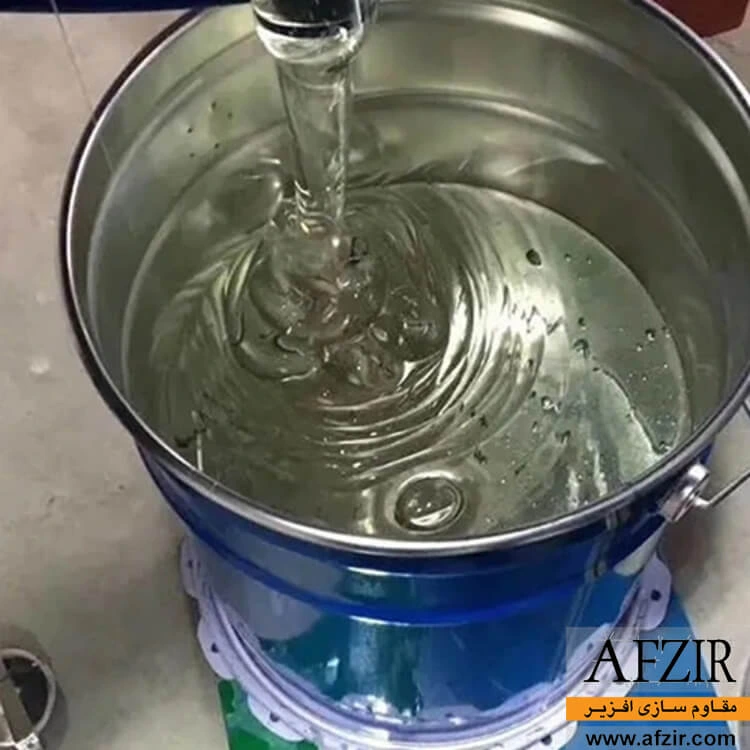
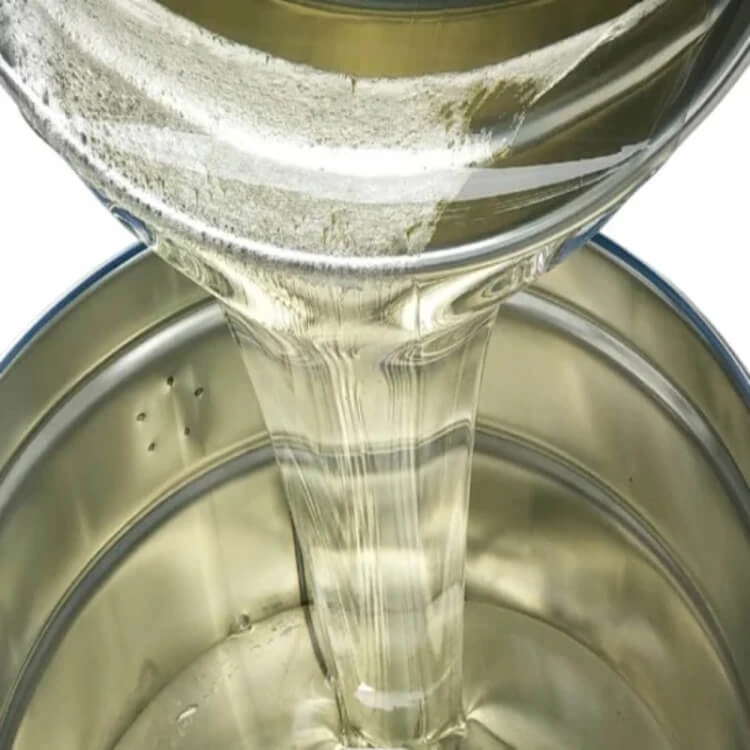
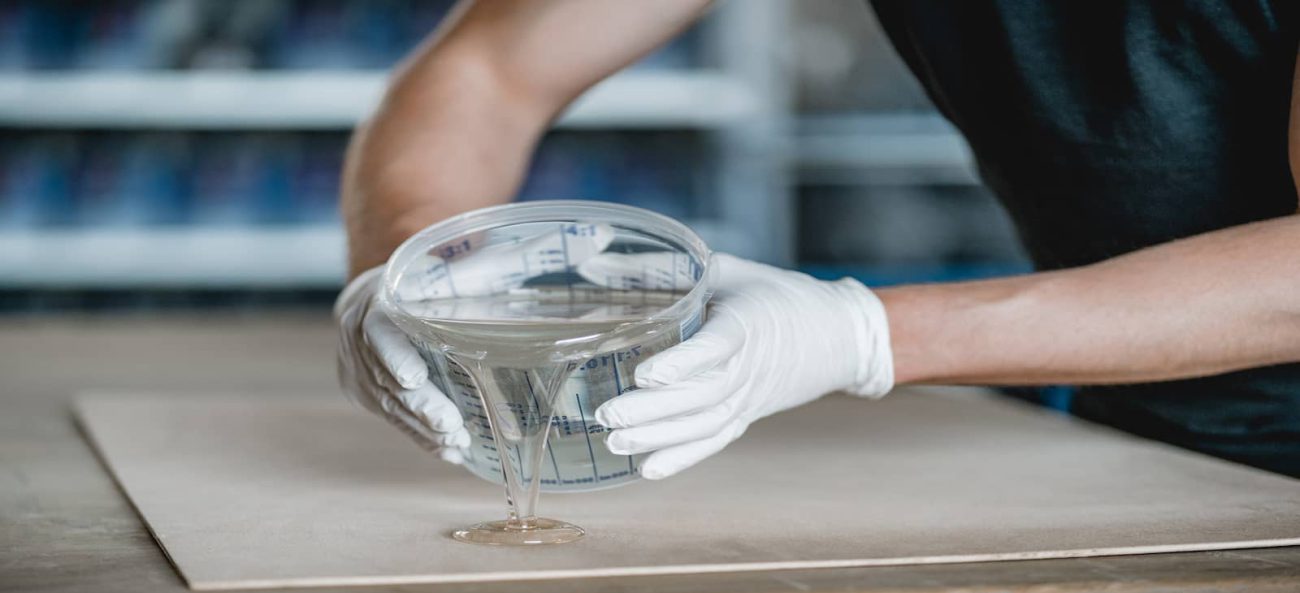
Acrylic Resins
Acrylic resins have unique properties that distinguish them from other types of resins, such as :
Excellent resistance to sunlight
Excellent transparency
Acrylic resins are modified using monomers containing functional groups such as hydroxyl, carboxylic acid, amide, epoxy, and others, resulting in the production of various types of acrylic resins. Acrylic resins are categorized in different ways, but they are generally classified into the following two groups based on their curing mechanism:
Thermoplastic acrylic resin
Thermosetting acrylic resin
Hydroxyl-containing resins or polyols:
These resins contain hydroxyl functional groups and are usually cured in combination with other resins.
For example, when combined with polyisocyanate resins, they cure at room temperature to produce acrylic-based polyurethane coatings. The required amount of polyisocyanate varies depending on the hydroxyl content.
These resins are typically supplied with a hydroxyl content of 1 to 4.5%.
The second category, hydroxyl-containing resins or polyols, is cured in combination with amino resins. This reaction occurs at high temperatures, resulting in the formation of baked coatings.
Thermoplastic acrylic resin
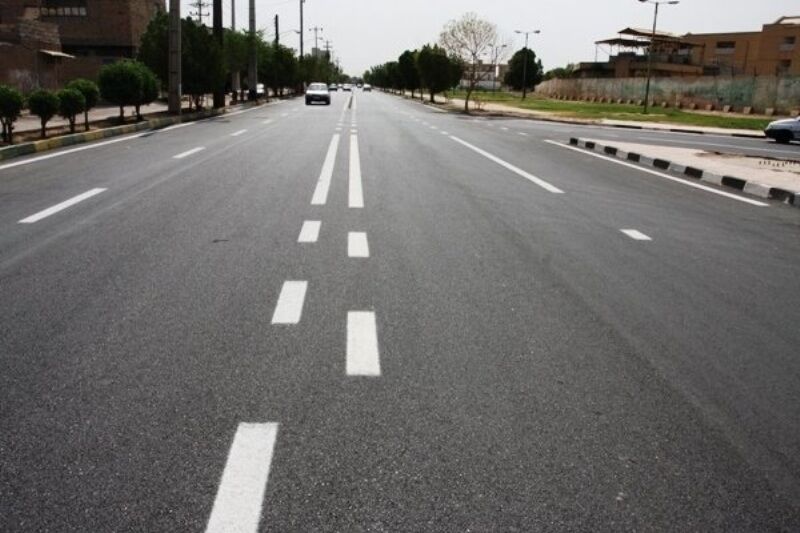
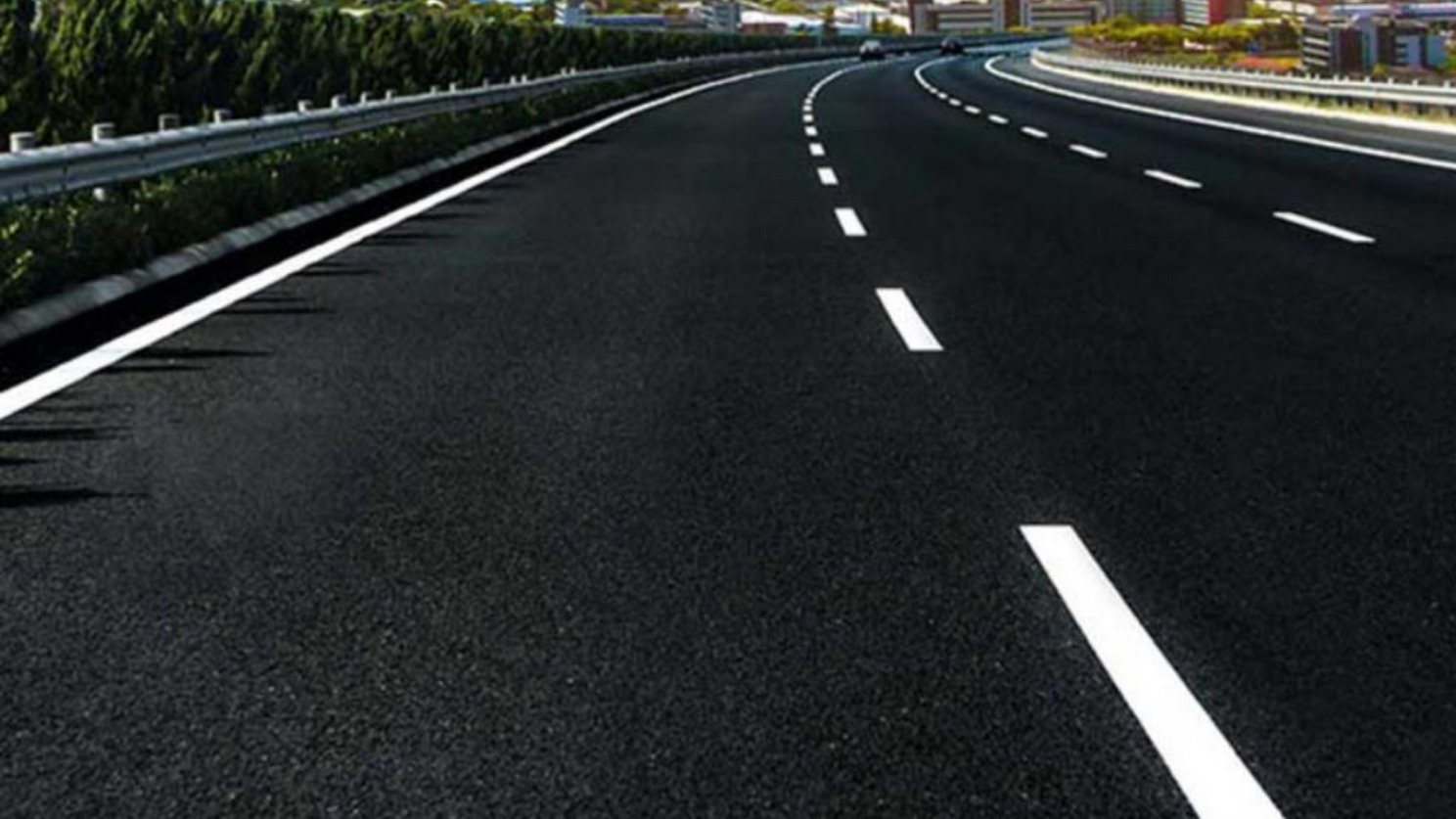
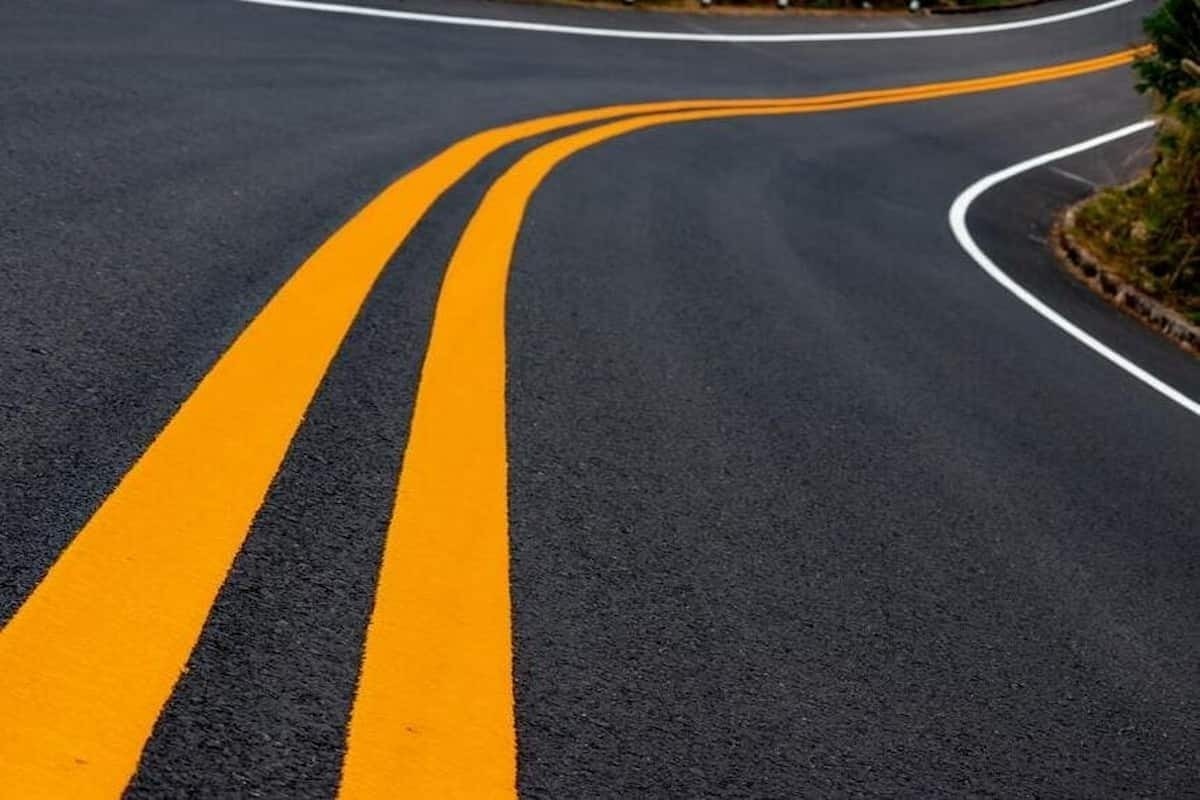
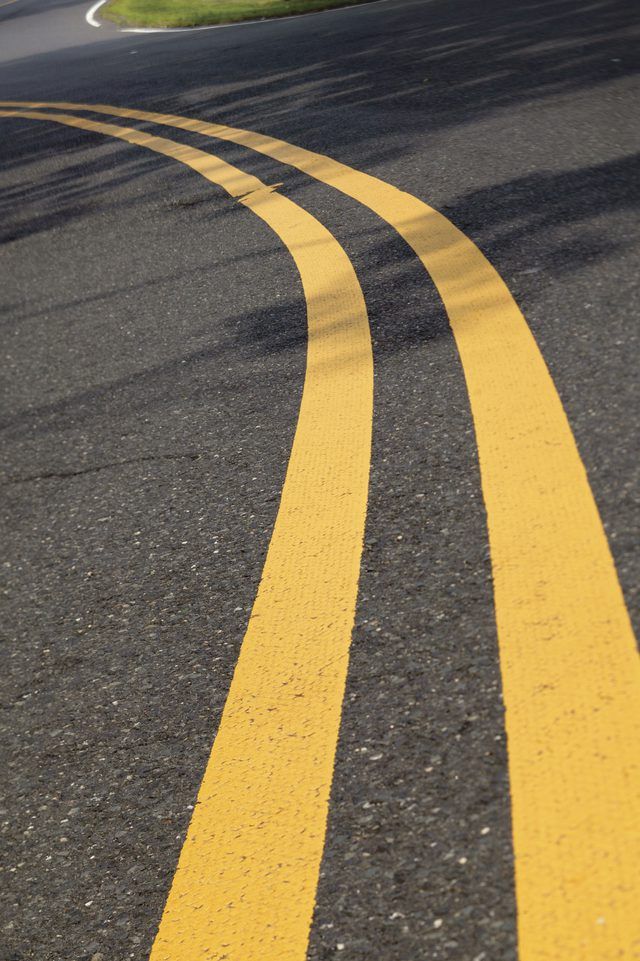
Resin Thermoplastic acrylic resin It is one of the most widely used resins in the paint industry, for architectural and industrial coatings, as well as in the production of adhesives and various protective coatings.
About Thermoplastic acrylic resin
Thermoplastic acrylic resin is a type of acrylic-based polymer that physically hardens physically, not chemically. In other words, for curing it does not require a chemical reaction or hardenerand just its solvent evaporates and the final layer is formed.
Key Properties of Thermoplastic Acrylic Resin
Fast drying
As soon as the solvent evaporates, a dry and hard film is formed.
For this reason, it is excellent for producing fast-drying paints and sprays.
Excellent UV resistance
It does not cause yellowing or discoloration when exposed to sunlight;
For this reason, it is suitable for exterior surfaces of buildings and automobiles.
High transparency and gloss
It produces a very clear and glossy final film and is used for topcoat layers.
Strong adhesion
It exhibits good adhesion on various surfaces such as metal, concrete, wood, PVC, composites, and more.
Thermoplastic nature (ability to soften again when heated)
Since it does not undergo a chemical reaction, it softens again when exposed to heat.
This characteristic is an advantage for some applications and a limitation for others.
Usage of Thermoplastic acrylic resin
Exterior architectural paints
Excellent resistance to sunlight and rain.
Automotive paints
They serve as the base for many body and marking paints.
Protective lacquers and coatings
Used for adding gloss to stone, concrete, and metal, as well as for graphitization and dust protection.
Industrial adhesives
Especially solvent-based adhesives.
Printing and inks industry
Due to its high transparency and gloss.
Benefits
High resistance to environmental conditions
Fast drying
Glossy and clear appearance
Excellent adhesion
Color stability and resistance to yellowing
Disadvantages
Since it is thermoplastic, it may soften at very high temperatures.
Most of the times its Solvent-based Therefore, it has an odor and requires ventilation.
Compared to thermosets (such as epoxy), it has lower hardness and mechanical strength.
Thermosetting acrylic resin
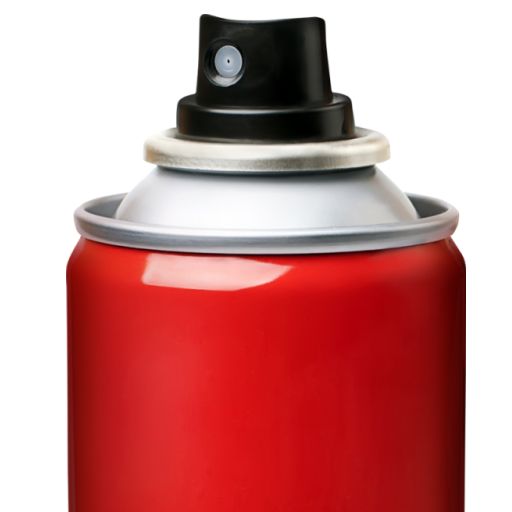
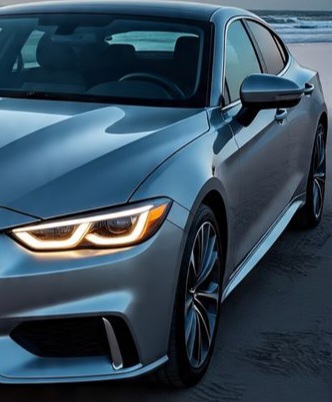
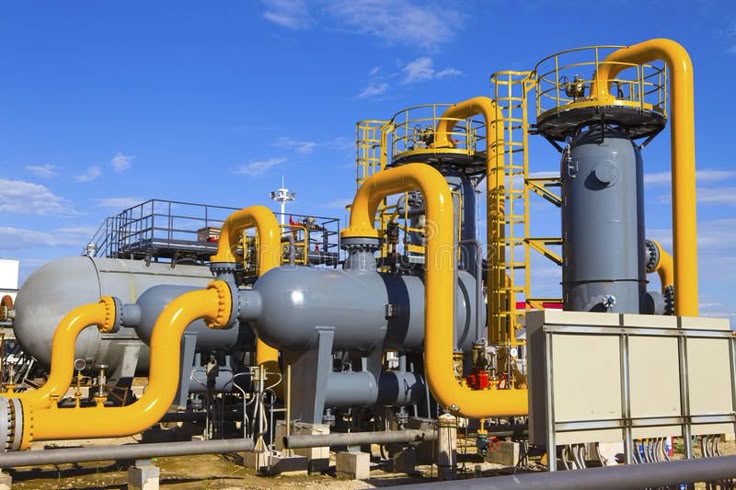
Resin Thermosetting acrylic resin Thermoset Acrylic Resin is an advanced and durable type of resin that+ after curing (cross-linking)، یک شبکه سهبعدی محکم ایجاد میکند و it no longer softens or melts with heatUnlike thermoplastic acrylics, these resins undergo a stable chemical reaction, which is why they are used in industrial coatings with high durability.
About Thermosetting acrylic resin
It is a resin with an acrylic base that requires a curing agent (hardener) for hardening. During curing, the resin undergoes a chemical cross-linking reaction and transforms into a very hard and durable layer. This layer is highly resistant to heat, chemicals, impact, UV, and moisture.
چرا به آن “ترموست” میگویند؟
Because after curing:
it no longer melts or softens
it cannot be reshaped
it has a strong and stable three-dimensional structure
These features make it suitable for heavy-duty and industrial applications.
Advantage of Thermosetting acrylic resin
Extremely high chemical resistance
Against petroleum substances, mild acids, alkalis, and solvents.
High thermal resistance
The cured layer can withstand high temperatures and does not deform.
Excellent mechanical resistant
It is far more resistant to impact, wear, and scratching than thermoplastic acrylic.
UV durability and stability
It is completely resistant to sunlight and yellowing.
Strong adhesion to various surfaces
Metals, wood, concrete, plastics, etc.
High aesthetic quality
It creates a uniform, smooth, glossy, and hard surface.
Disadvantages
It is more expensive compared to thermoplastics.
It requires curing time and equipment (heat or catalyst).
It cannot be recycled or softened again.
Types of thermosetting acrylic resins
It usually has three common types:
1. Acrylic–Melamine
For automotive paint, appliance coatings, and baked enamel.
(Melamine acts as a crosslinker)
2. Acrylic–Epoxy
For highly durable industrial coatings
(Extremely hard, chemical-resistant, and heat-resistant)
3. Acrylic–Isocyanate (Acrylic Polyurethane)
For two-component paints for automotive, wood, and flooring applications
(The combination with an isocyanate hardener completes the curing)
Usage of Thermosetting Acrylic Resin
Two-component automotive paints (2K Automotive Paint)
Glossy surface, extremely hard, and scratch-resistant
(Acrylic polyurethane-based)
Heavy-duty industrial coatings
Factories, metal structures, machinery, and equipment
Chemical-resistant coatings
Industrial flooring, halls, and tanks
Baked enamel coatings
Home appliances, faucets, and metal parts
Wood coatings
Two-component high-performance varnishes
Cold-cast acrylic resin
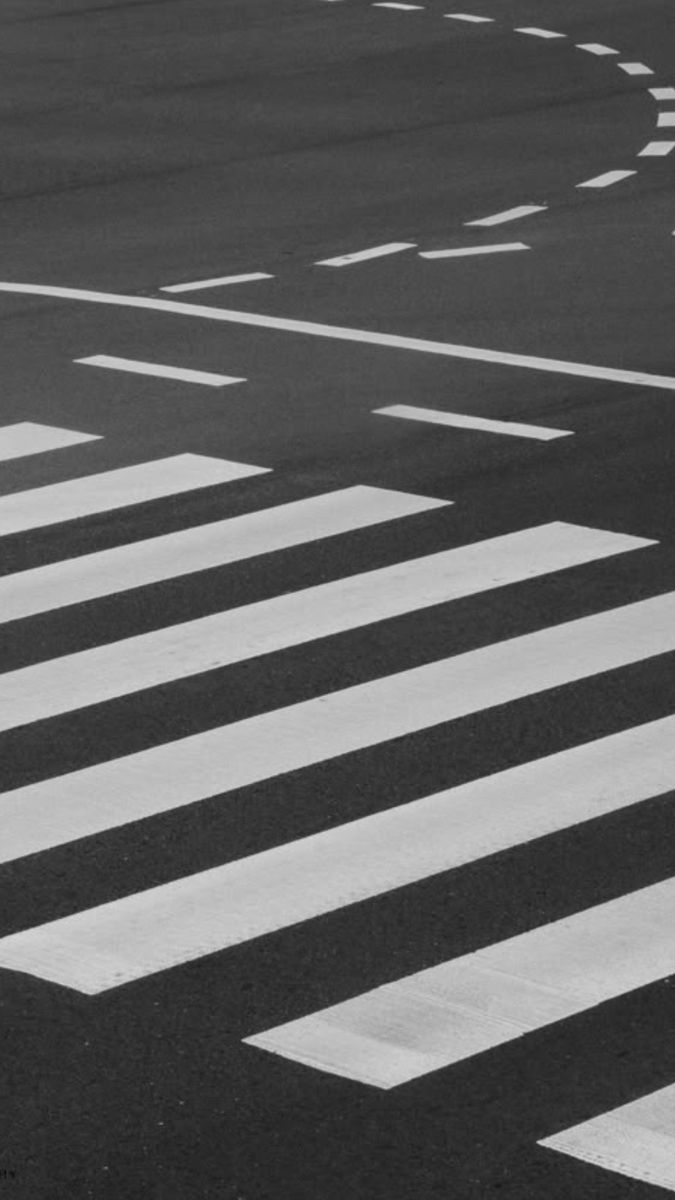
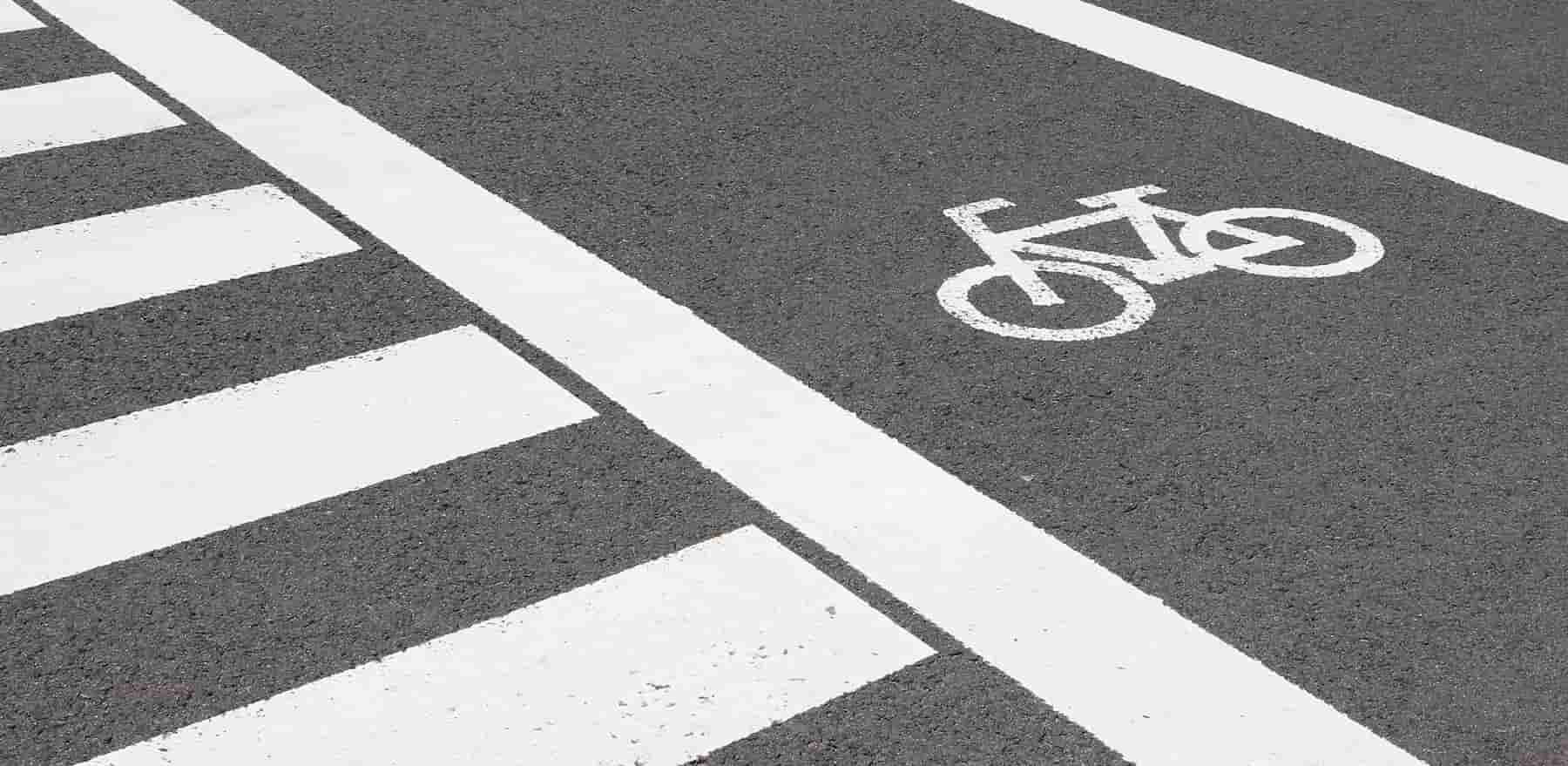
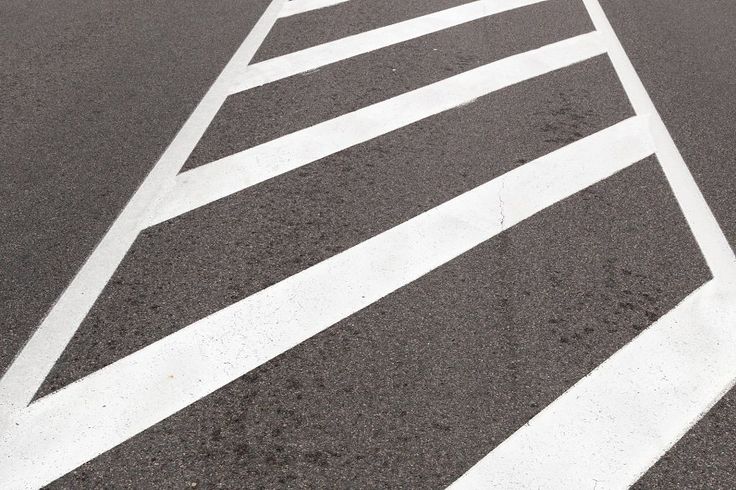
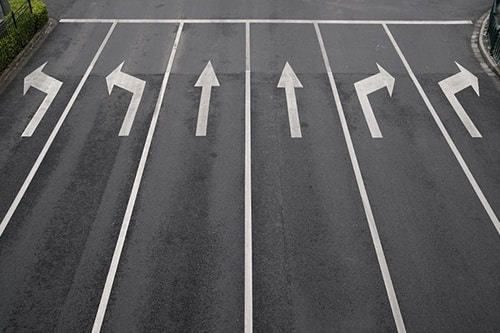
It is a two-component, thermosetting resin that cures without heat (Cold Cure) and hardens simply by adding a peroxide hardener. This resin is specially designed for road and pavement marking and is considered one of the most durable and resistant traffic coatings.
About Cold-cast acrylic resin
Cold Plastic acrylic resin is a two-component acrylic-based system that cures with the help of a benzoyl peroxide (BPO) or methyl ethyl ketone peroxide (MEKP) hardener, forming a very hard, thick, wear-resistant, and durable film. Since this resin is used for cold traffic markings, it is called Cold Plastic.
During curing, the resin undergoes a thermosetting reaction and cannot be softened or damaged by heat or traffic afterward.
Key Features of Cold Plastic Acrylic Resin
Fast drying, even in cold weather
Since it undergoes a chemical reaction, it is not dependent on ambient temperature.
Extremely high hardness and wear resistance
Not as hard as thermoplastic markings, but more resistant than all solvent-based and water-based systems.
Long-lasting durability (3 to 5 years)
It also provides excellent durability on routes with heavy traffic.
Excellent adhesion to asphalt and concrete
No heat required; only surface preparation is needed.
Resistant to UV and yellowing
Completely stable for outdoor use
High build thickness
Layers of 1 to 5 millimeters can be applied.
Controlled slip resistance
By adding special powders or glass beads, the surface becomes slip-resistant.
usage of Cold-cast acrylic resin
This resin is used for heavy-duty traffic coatings:
Marking roads, highways, and streets
Traffic signs on asphalt and concrete
Bridges and high-traffic routes
Three-dimensional or raised markings (Vibrated / Profiled)
Hazard points, colored speed bumps, pedestrian crossings
Bicycle and motorcycle lanes
این رزین جزء بهترین مواد خطکشی دنیا است.
Advantages and disadvantages
Benefits
High resistance
Fast curing and temperature-independent
Wear-resistant and slip-resistant
Excellent adhesion to asphalt
Excellent UV resistance
Capable of being applied in thick layers
Disadvantages
Higher cost compared to conventional traffic paints
Requires a hardener and precise mixing
Short working time (low pot life)
Classification Based on Application:
Acrylic resins are used in various industries, and based on this, they can be categorized into the following types: